Research Articles
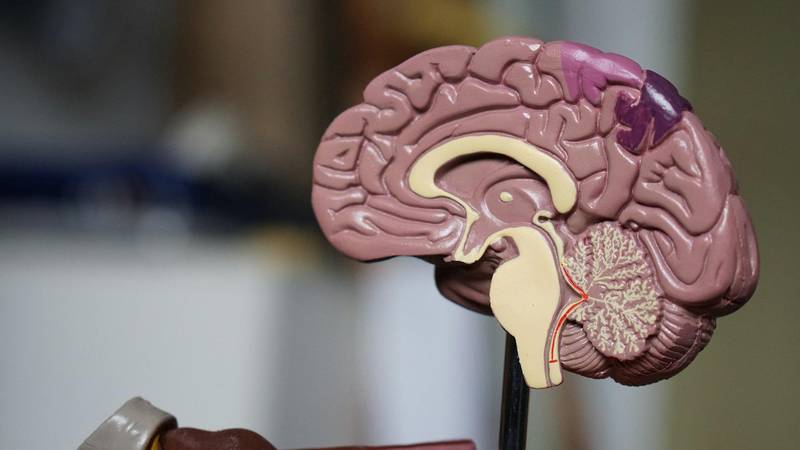
Mind Readers: The Polymer Sensor That Decodes Our Brain's Chemical Language
Discover how poly(isonicotinic acid)-modified electrodes enable simultaneous detection of dopamine and epinephrine in the presence of ascorbic acid interference.
The Molecular Tango: How a Brain Chemical Can Misfold a Protein
Exploring how dopamine oxidation affects α-synuclein misfolding in Parkinson's disease through electrochemical analysis and solvent interactions.
The Tiny Lab-on-a-Chip Revolutionizing Dopamine Research
Discover how microfluidic platforms are transforming dopamine research by enabling real-time monitoring of dopamine homeostasis in living cells.

Electrochemical Espionage: How Tiny Gold Wires Tell Dopamine and Vitamin C Apart Inside Your Brain
Discover how positively charged self-assembled monolayers enable selective detection of dopamine in the presence of ascorbic acid, revolutionizing brain chemistry research.
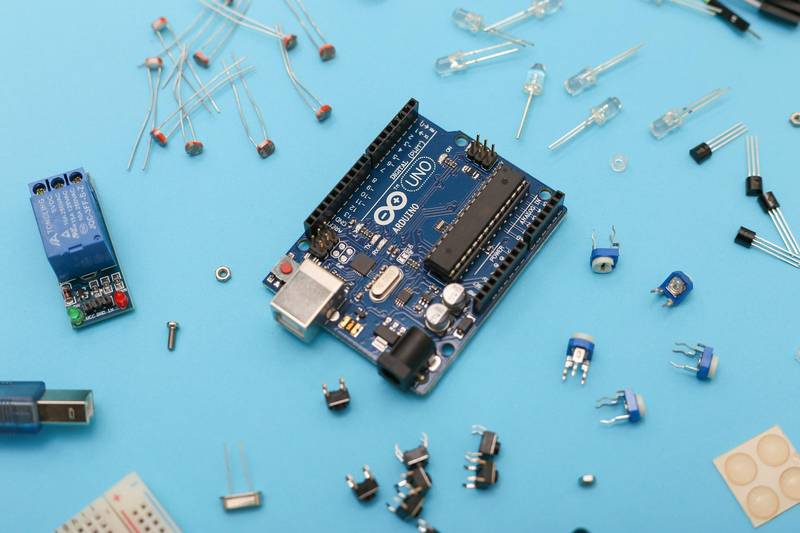
The Silent Symphony in Our Blood: Decoding Chemical Triathlons with Smart Electrodes
Breakthrough in simultaneous detection of dopamine, ascorbic acid and uric acid using poly(vinyl alcohol) modified electrodes

The Nano-Detective: How a Graphene-Silver Electrode Decodes Our Brain's Chemical Whispers
Revolutionary biosensor combining graphene, silver nanorods and smart polymer for precise detection of dopamine and ascorbic acid in biological samples.